
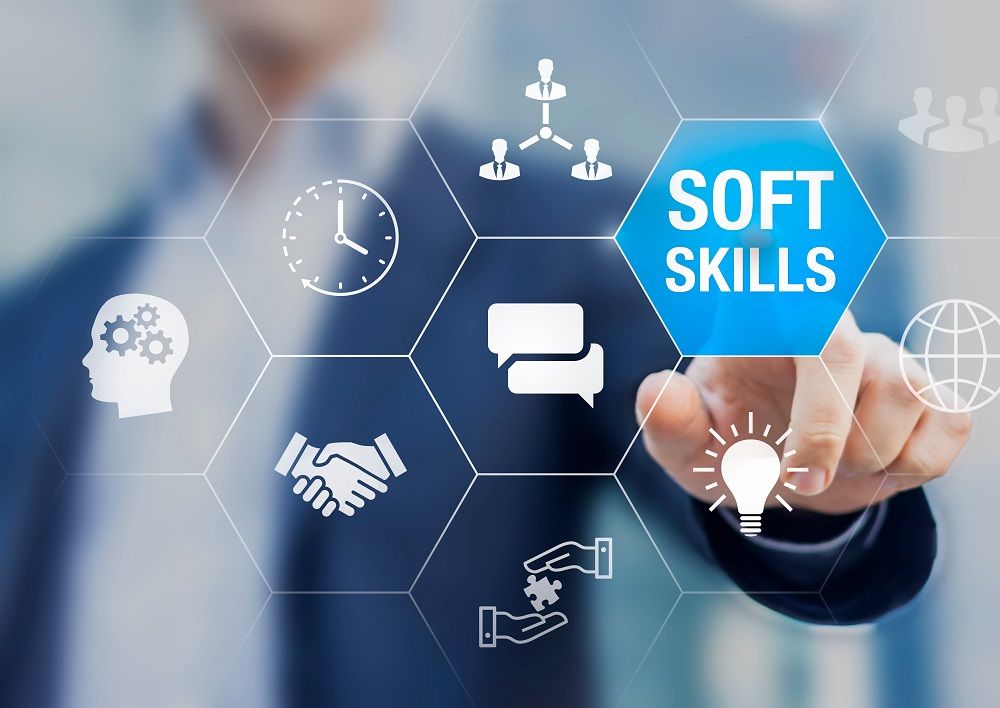
Preparing Future Engineers for the Real World
Engineering today is as much about people as it is about technology. Beyond equations and designs, future engineers must learn to communicate ideas, collaborate effectively, and adapt to the ever-evolving demands of the professional world. Employers increasingly seek graduates who combine a strong technical foundation with confidence in teamwork, communication, and creative problem-solving.
These human abilities—often referred to as soft skills—have become indispensable in every branch of engineering. They complement technical knowledge and shape how engineers lead, innovate, and contribute to society.
At ESTIN, we believe that engineering education should not only develop technical excellence, but also cultivate open-minded, responsible, and empathetic professionals ready to face tomorrow’s challenges.
What Soft Skills Are—and Why They Matter
Soft skills include the personal, social, and communication abilities that define how individuals work with others. Unlike technical expertise, they are transferable across disciplines, projects, and careers.
Some of the most valuable soft skills for engineers are:
- Communication and teamwork
- Critical thinking and creativity
- Adaptability and problem-solving
- Leadership and emotional intelligence
- Time management and professional ethics
At ESTIN, these abilities are developed through project-based learning, collaborative research, and extracurricular engagement. They give students the confidence to present ideas clearly, manage real-world tasks, and navigate complex workplace environments.
Why Soft Skills Matter in Engineering
1. Meeting Industry Expectations
Studies repeatedly show that while many engineering graduates excel technically, they often need to strengthen communication and teamwork. Modern industries look for professionals who can share ideas effectively, work across disciplines, and adapt to changing environments.
2. Boosting Collaboration and Innovation
Engineering is a collective endeavor. Projects bring together specialists from different fields who must explain concepts, solve problems together, and make shared decisions. Strong interpersonal skills help prevent misunderstandings and create an environment where innovation can thrive.
3. Supporting Lifelong Learning and Adaptability
Technologies evolve faster than ever. Engineers who are curious, flexible, and resilient can continue learning throughout their careers—an ability that keeps them effective in new roles and contexts.
4. Encouraging Ethical and Human-Centered Leadership
Engineering decisions have real impact. Empathy, integrity, and ethical awareness help ensure that innovation serves people responsibly. Soft skills empower future engineers to lead with both technical and human insight.
The Balance That Defines Great Engineers
Technical expertise builds competence; interpersonal skills build employability. Together, they create professionals who can design, lead, and inspire.
At ESTIN, we encourage every student to view these qualities not as secondary, but as essential to success—bridging knowledge with impact, and technology with humanity.